A History of the Kibeho Apparitions
The Sanctuary of Our Lady of Kibeho
The Prelude: A Quiet High School
Before 1981, Kibeho was a quiet, typical rural village. The center of local life was Kibeho High School (G.S. Mère du Verbe), a boarding school for young women run by a religious order of Catholic sisters, the Benebikira Congregation. The atmosphere was ordinary, focused on studies and routine faith.
The Apparition Timeline (1981–1989)
The historical trajectory of the village completely shifted over the course of eight years, driven by a series of extraordinary events:
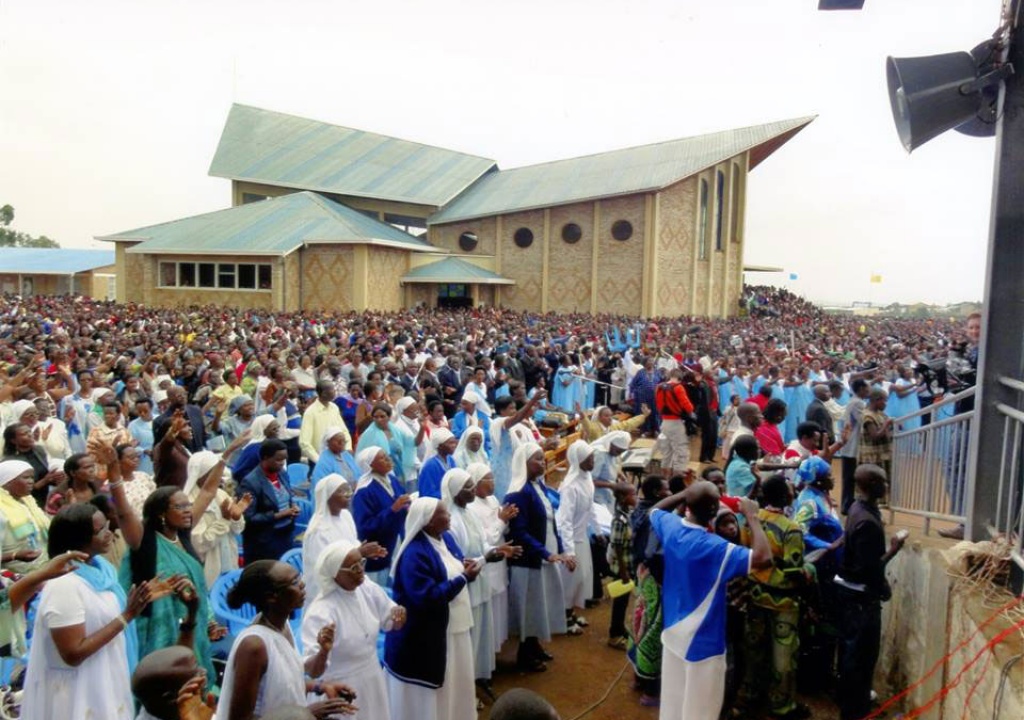
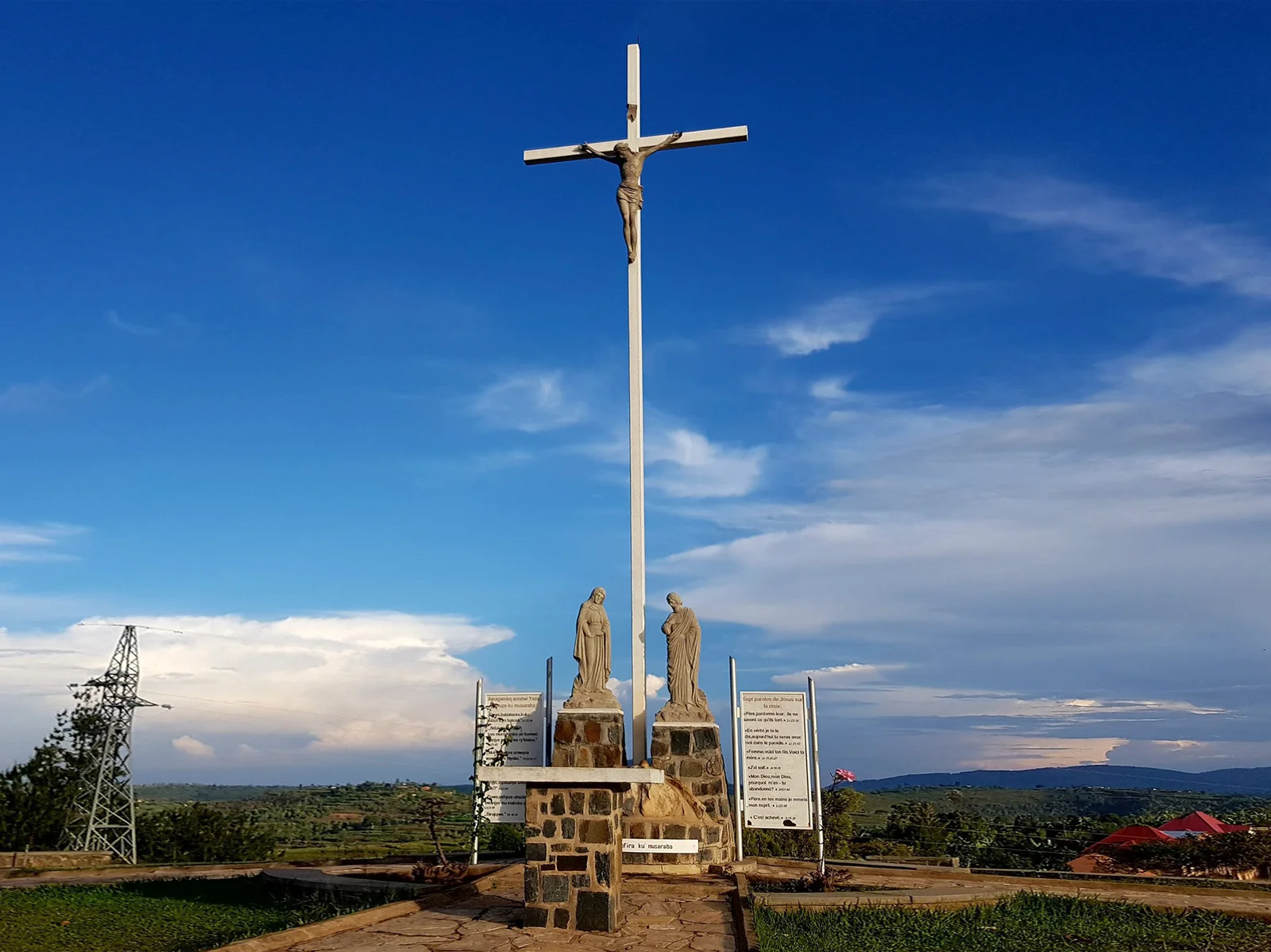
Investigation and Official Recognition
Because these events drew tens of thousands of onlookers, local church authorities took immediate, methodical steps to verify what was happening.
In 1982, the local Bishop, Jean-Baptiste Gahamanyi, formed two distinct investigative commissions:
-
The Medical Commission: Composed of secular doctors and psychiatrists who tested the girls during their ecstasies. They found that while in a state of vision, the girls were completely insensitive to pain (such as pinpricks or heat tests) and deep loud noises, yet their vital signs remained stable and healthy.
-
The Theological Commission: A panel of theologians who meticulously cross-examined the messages given to the girls to ensure they perfectly aligned with Christian scripture.
The Aftermath and the 1994 Tragedy
During the 1994 Rwandan Genocide, Kibeho unfortunately became a site of immense real-world tragedy. The local church, where thousands of Tutsis sought refuge, was attacked, leading to a devastating massacre. Marie-Claire Mukangango, one of the three recognized visionaries, was among those killed during the genocide. Nathalie survived by fleeing temporarily, and Alphonsine was away in a convent.
The site shifted from a place of mere prophecy to a profound symbol of the collective trauma and the urgent need for nationwide healing.
⛪ Vatican Approval and Present Day
On June 29, 2001, representing the Holy See, Bishop Augustin Misago of Gikongoro issued a definitive declaration.
“Yes, the Virgin Mary appeared at Kibeho on November 28, 1981, and in the months that followed. There are more reasons to believe it than to deny it.”
With this declaration, Kibeho became the first and only Vatican-approved Marian apparition site in Africa.
Following the approval, construction began on the massive Sanctuary of Our Lady of Kibeho. It was built specifically to serve as a place of active reconciliation, casting aside old ethnic divides and focusing heavily on peace, national unity, and spiritual renewal. Today, it stands as Rwanda’s most prominent holy ground, drawing hundreds of thousands of international visitors.
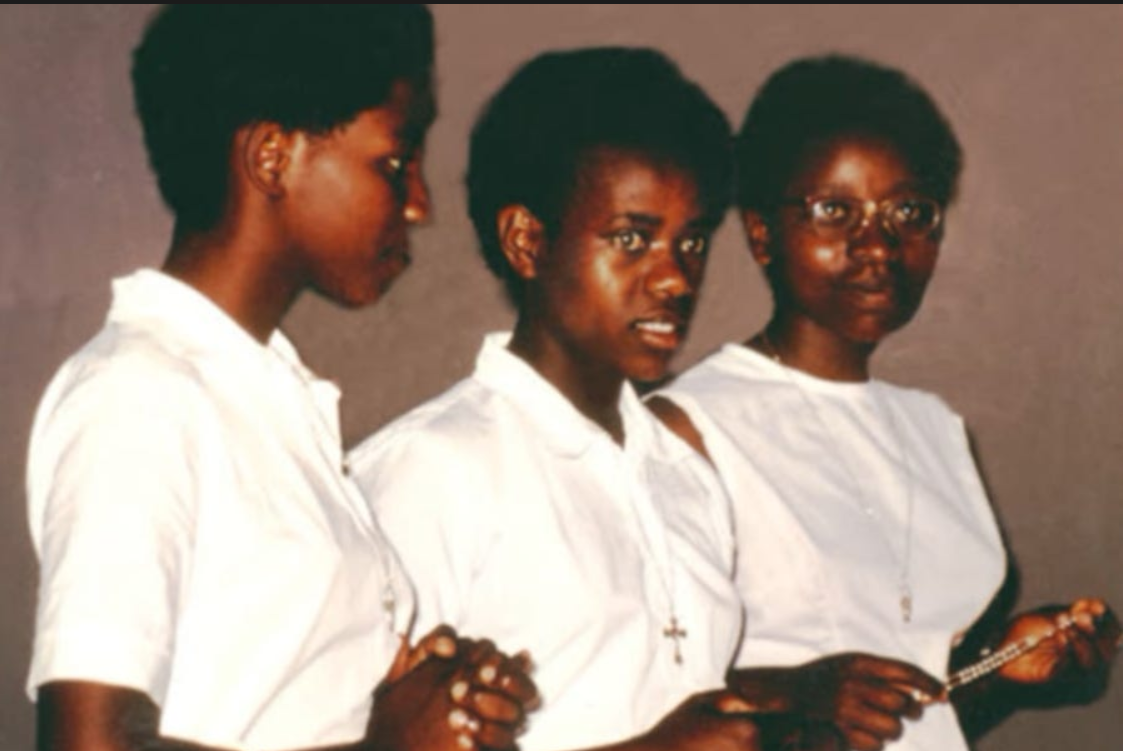
The visionaries of Kibeho during an ecstasy. Source: The Pillar
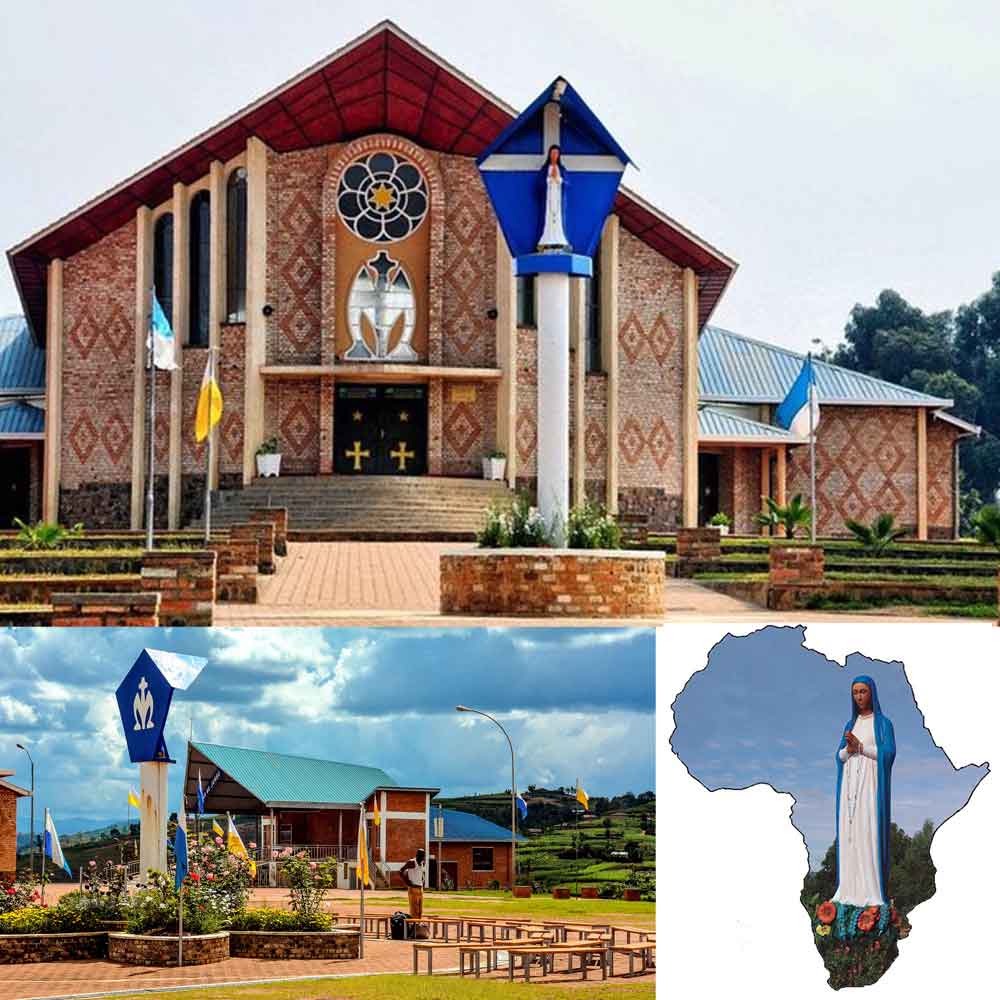
The Sanctuary of Our Lady of Kibeho today. Source: The Southern Cross